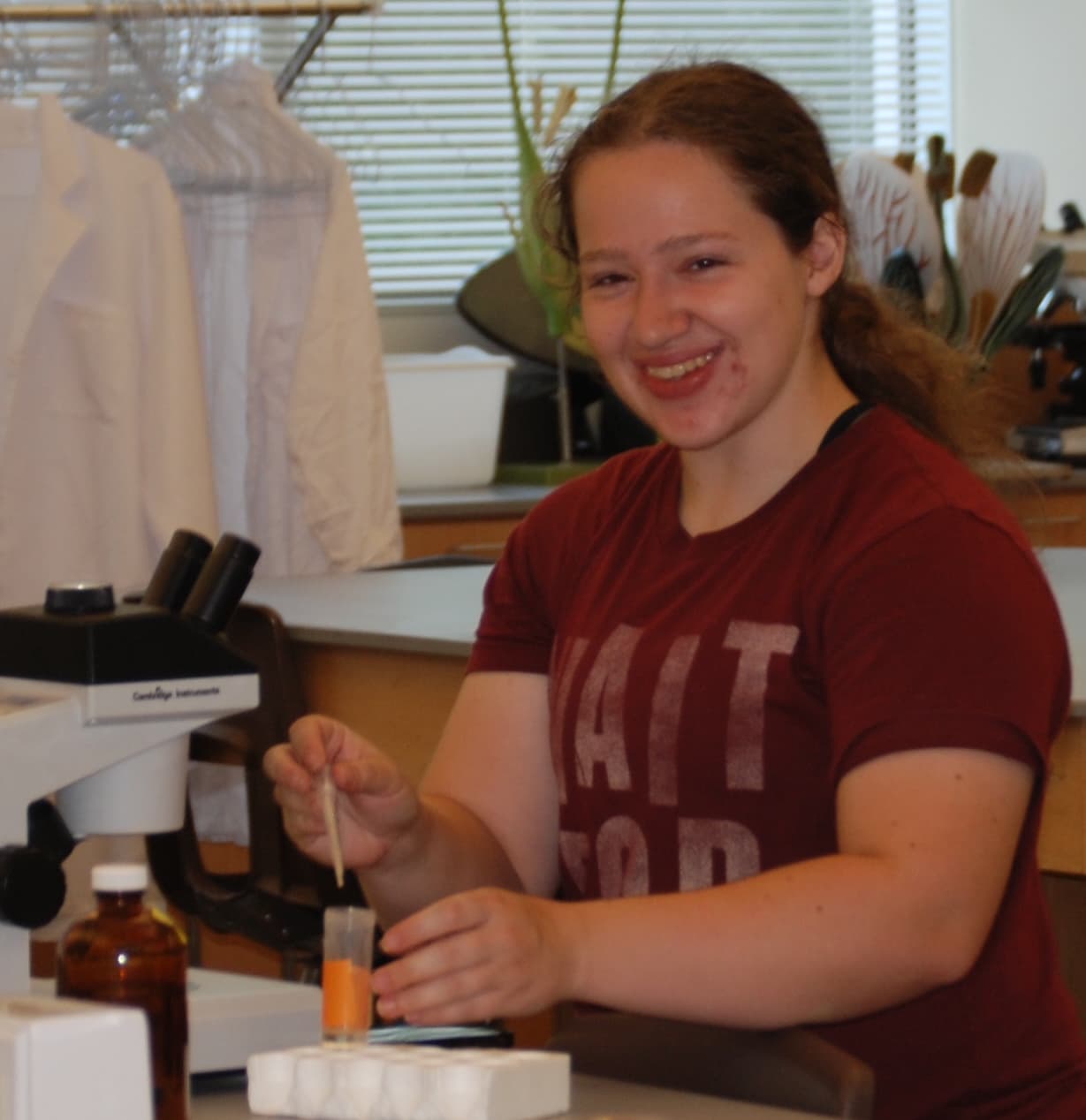
Abby Levinson receives the Forrest Award for Outstanding Work in Entomology
Senior Abigail Levinson was honored for her research on controlled burns and chestnut hybridization, and her work building K–12 STEM activities.

University of North Carolina Asheville · Dept. of Biology
Natural Enemy Management & Applications
An organismal entomology & nematology lab studying how insects and soil life shape our world — and training the next generation of scientists to protect it.
Our Mission
NEMA Lab gives students the opportunity to develop experience with research and community engagement. Our research focuses on understanding how insects interact with their environment — and how to use that information to sustainably manage natural and agricultural systems.
We address these questions through a combination of applied and basic research in the field and the lab, and we share our knowledge with the community through engagement and outreach.
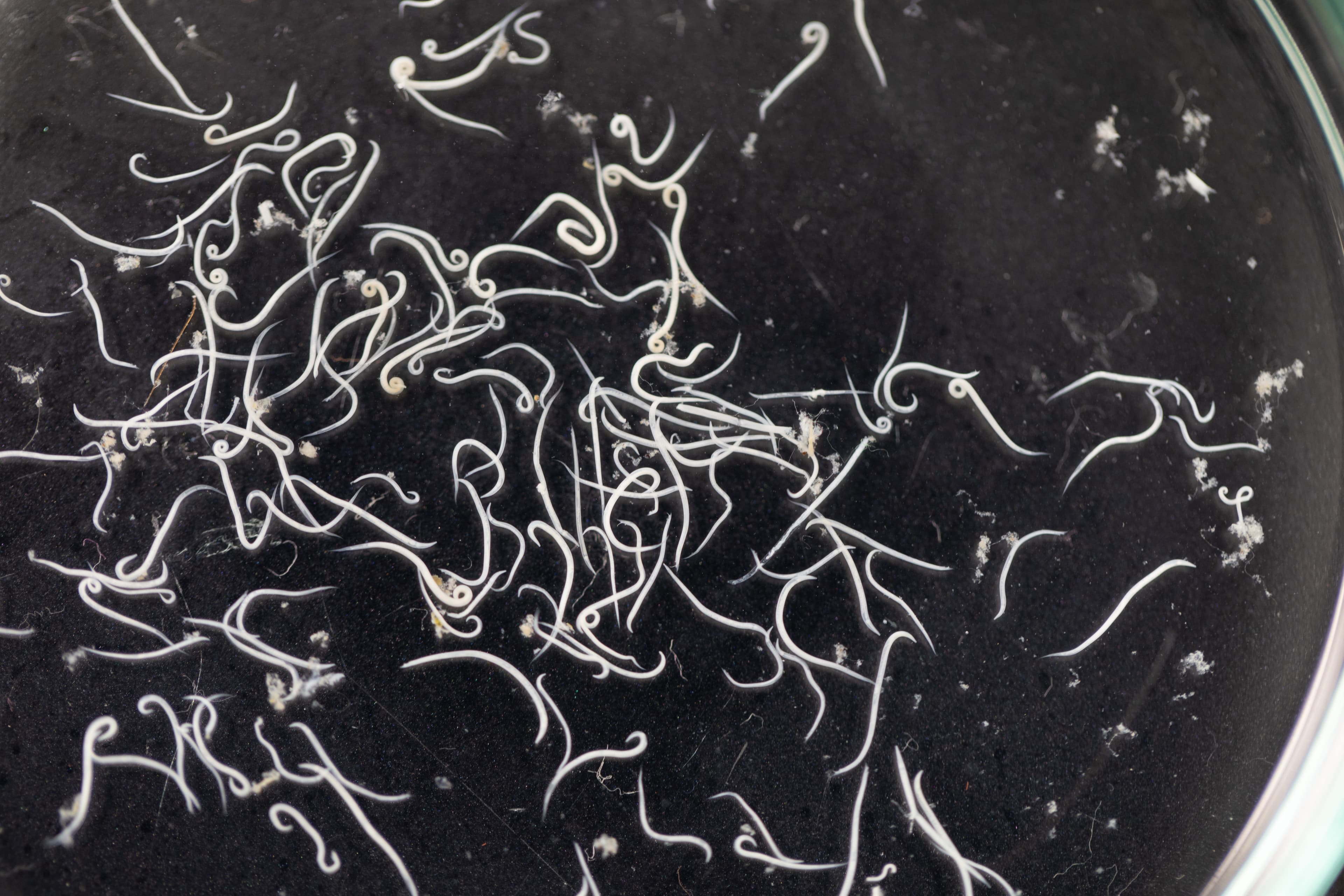
Soil is one of the most biodiverse ecosystems on Earth and is teeming with life. The NEMA Lab develops new technologies to study this diversity and link soil biodiversity to ecosystem health.
Explore projects →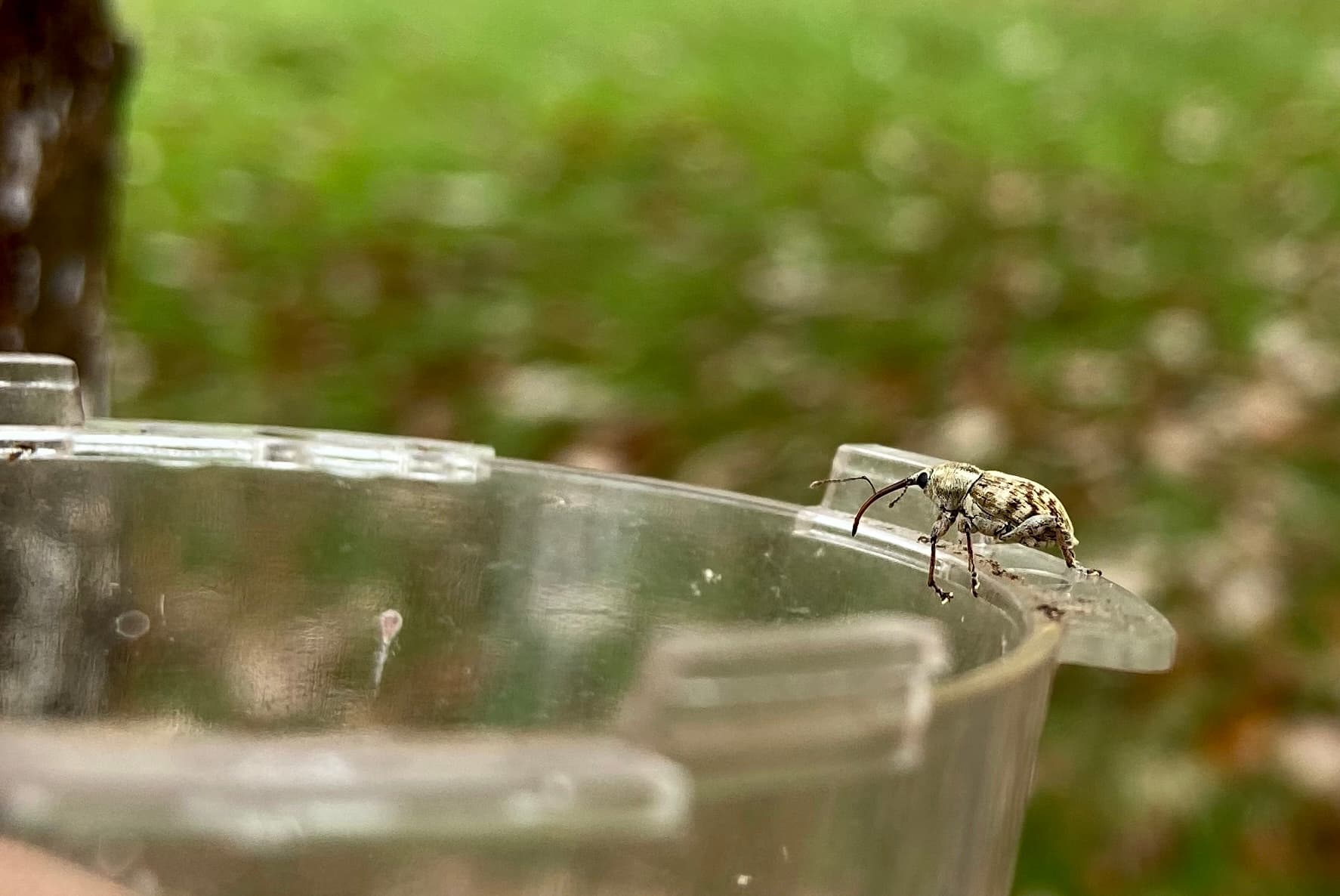
Insects and other invertebrates can be devastating pests of agricultural crops and forests. The NEMA Lab develops environmentally friendly biological control strategies to manage these pests.
Explore projects →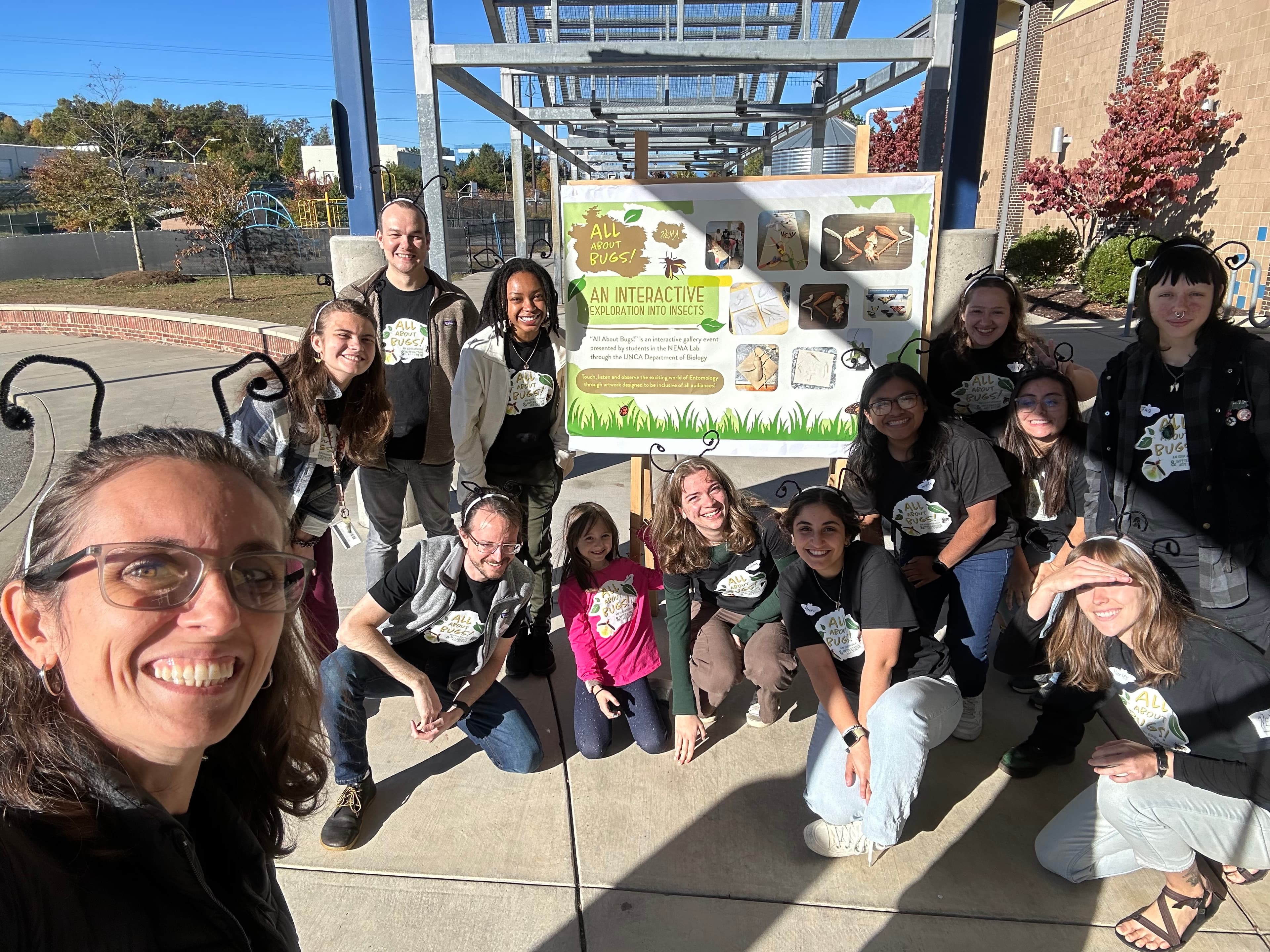
We use insects to connect K–12 students to STEM concepts through hands-on workshops, summer camps, and in-school visits across Western North Carolina.
Explore projects →From the lab
Senior Abigail Levinson was honored for her research on controlled burns and chestnut hybridization, and her work building K–12 STEM activities.
NEMA undergraduates led another round of interactive insect galleries, reaching students across the region through all five senses.
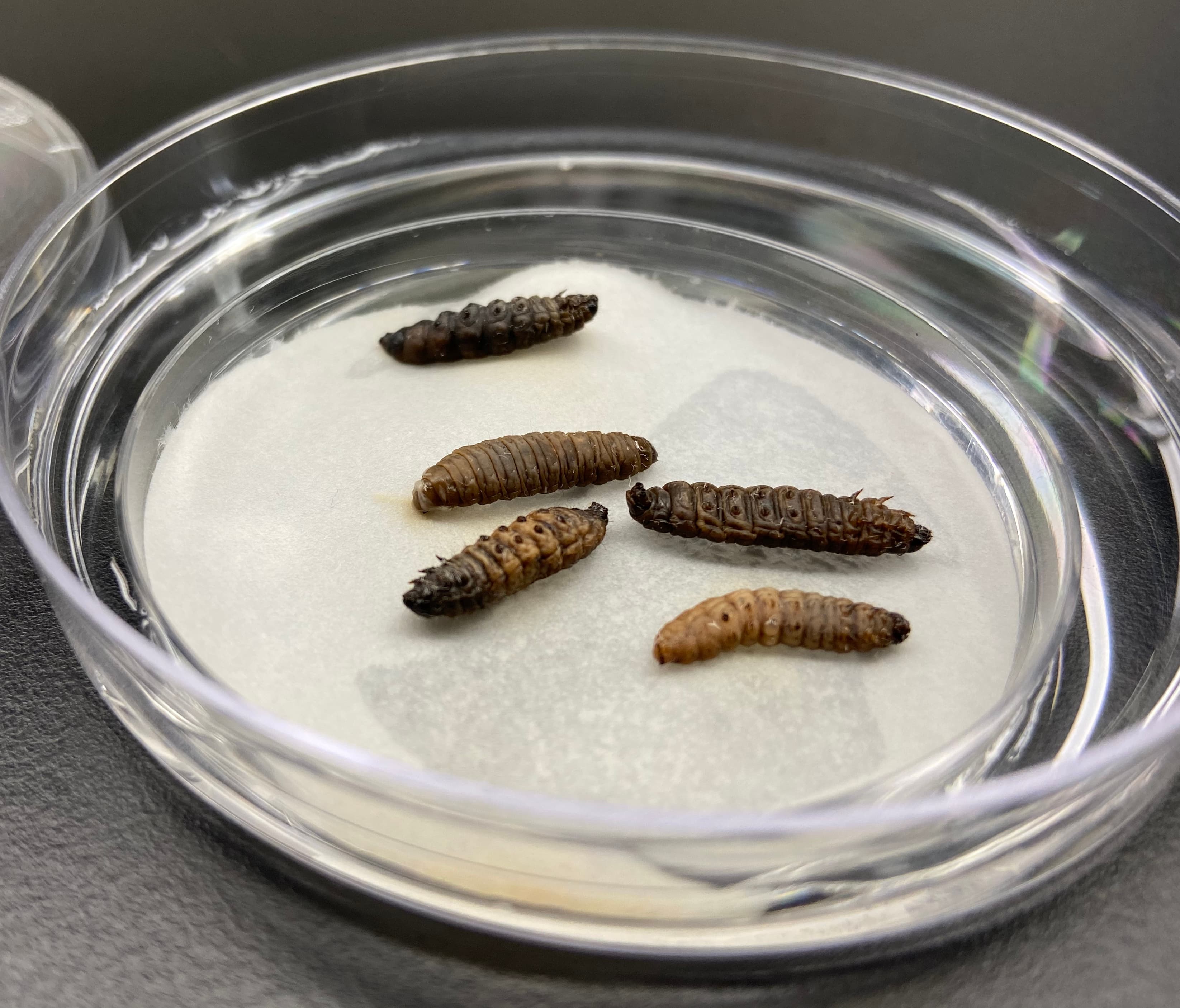
A new cohort of UNC Asheville students joins the lab this year to take up research and community engagement projects.
Peer-reviewed
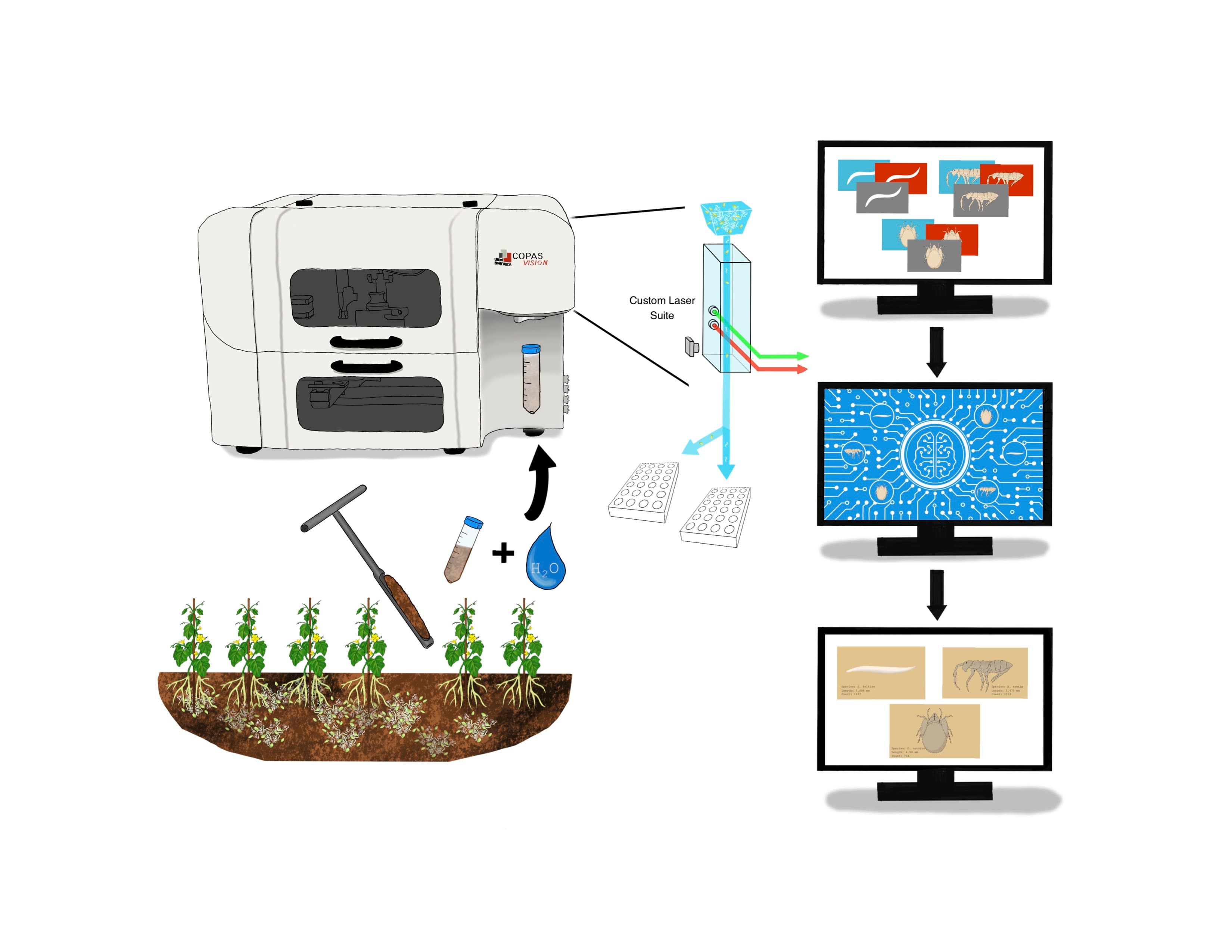
Soil is full of tiny organisms we usually can't study without slow, destructive lab work. We built an instrument and machine-learning pipeline that images, sorts, and identifies soil organisms automatically — telling apart live nematodes, dead nematodes, sub-species, and soil micro-arthropods with high accuracy.
Read paper →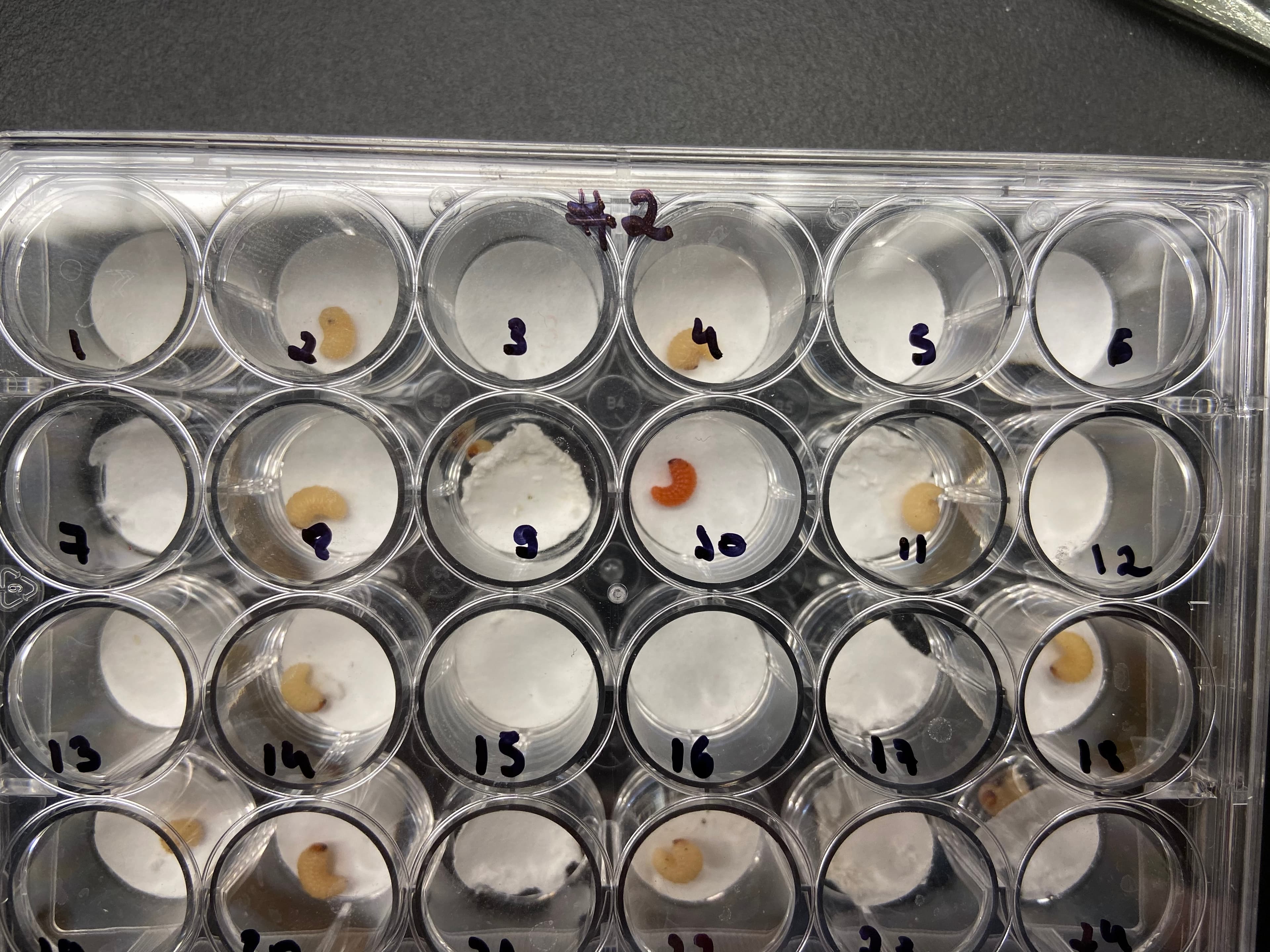
Entomopathogenic nematodes are usually thought of as lethal parasites used to kill pest insects. We show that even when they don't kill, exposure can change how insects develop and their later risk of death — and that these effects depend strongly on the nematode strain.
Read paper →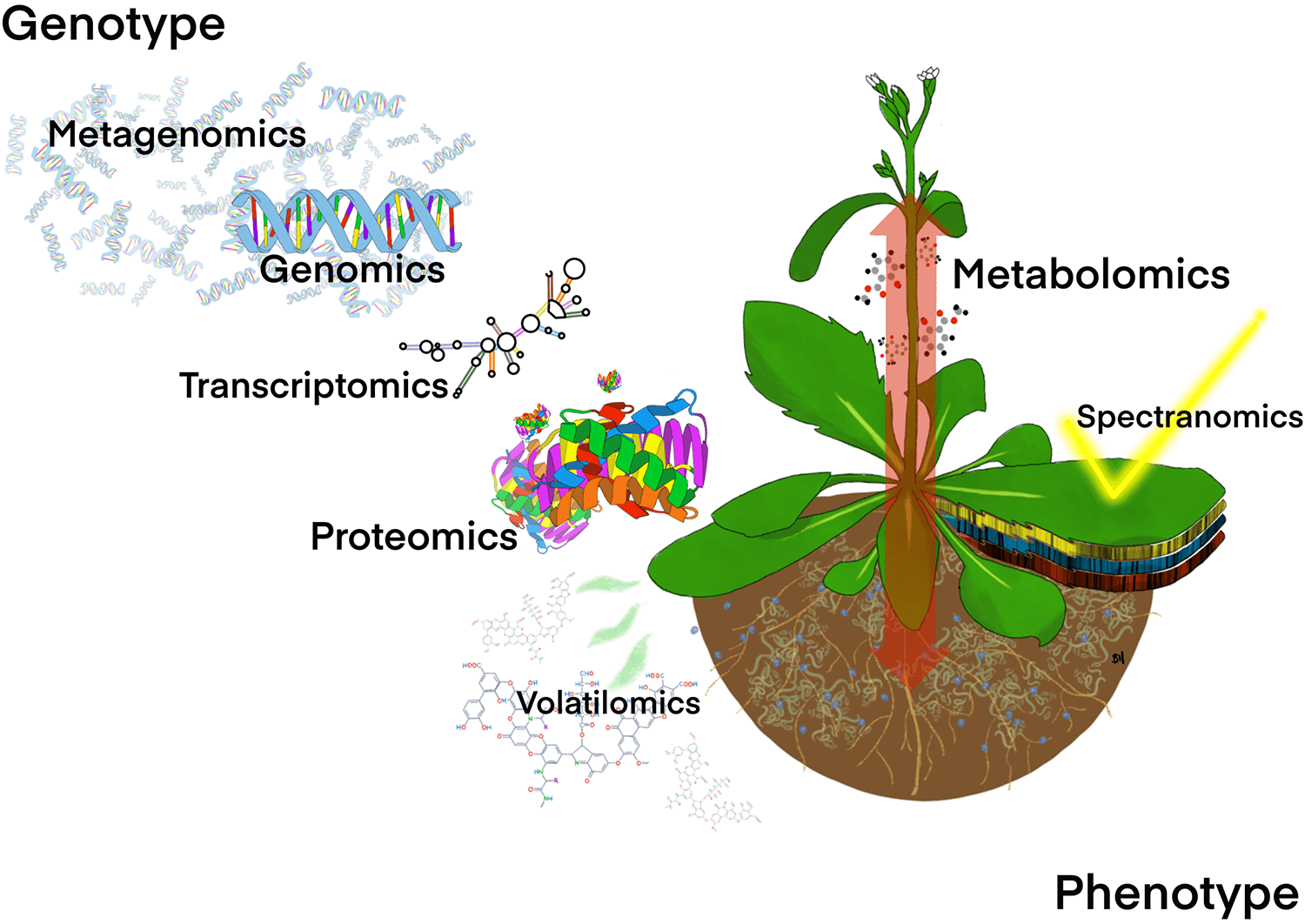
As the environment changes, plant diseases emerge and spread in new ways. This primer shows how combining several 'omics' technologies — from genomics to volatile chemistry — can give a fuller picture of plant–microbe interactions and help predict and manage disease.
Read paper →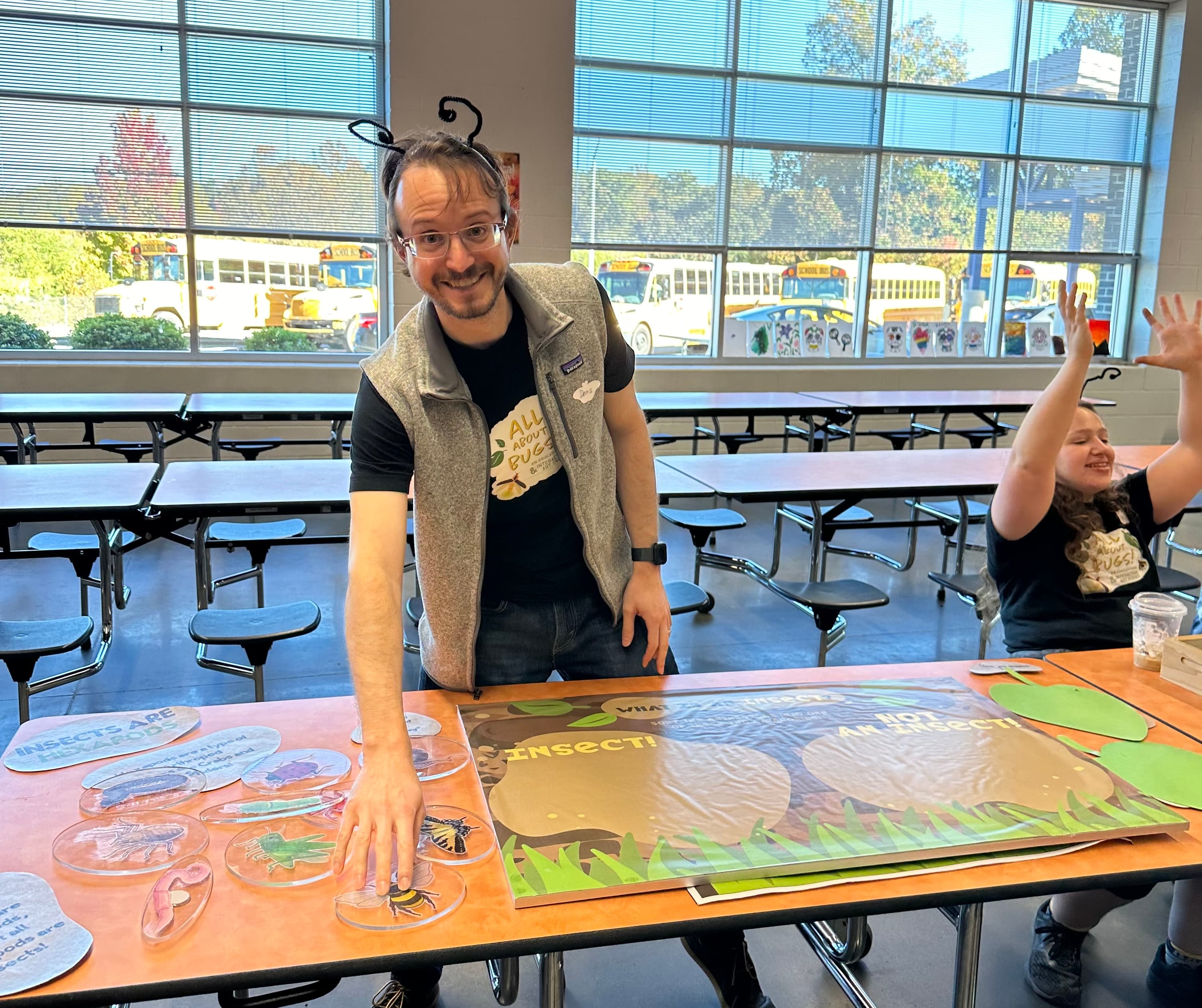
We welcome UNC Asheville undergraduates, community partners, and collaborators. Reach out to learn how to get involved in research or outreach.