Research & Projects

What we study

NEMA Lab gives students the opportunity to develop experience with research and community engagement. Our research focuses on understanding how insects interact with their environment — and how to use that information to sustainably manage natural and agricultural systems.

Soil Ecology & Biodiversity

Soil Ecology & Biodiversity

Soil is one of the most biodiverse ecosystems on Earth and is teeming with life. The NEMA Lab develops new technologies to study this diversity and link soil biodiversity to ecosystem health.

Invertebrate Management

Invertebrate Management

Insects and other invertebrates can be devastating pests of agricultural crops and forests. The NEMA Lab develops environmentally friendly biological control strategies to manage these pests.

Community Engagement

Community Engagement

We use insects to connect K–12 students to STEM concepts through hands-on workshops, summer camps, and in-school visits across Western North Carolina.

Ongoing projects

Smart SOD
Soil Biodiversity · Invertebrate Management

Smart SOD

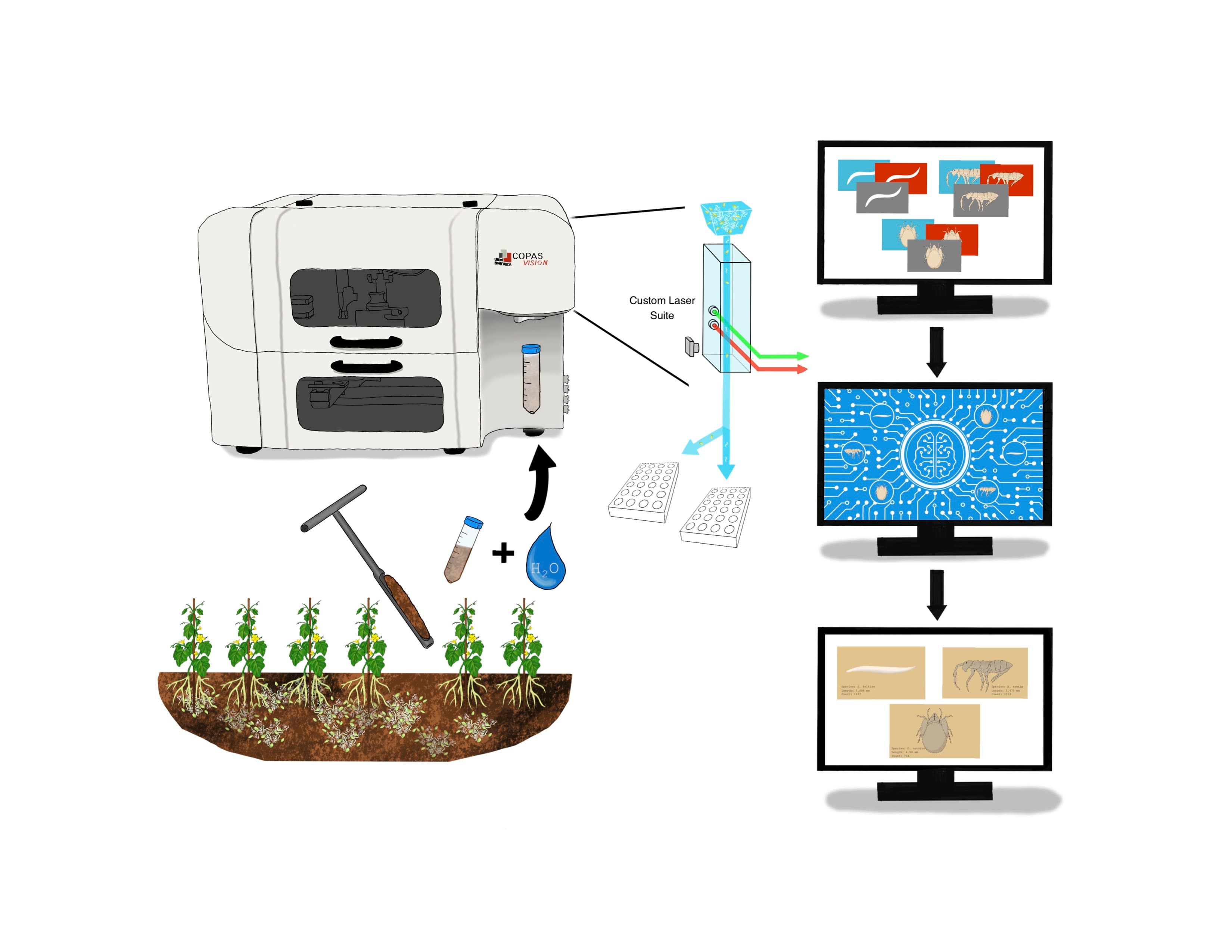
Working with the California Institute for Biodiversity and collaborators in Europe, the NEMA Lab is developing new capabilities for detecting, isolating, and quantifying organisms in soil and marine benthic communities. We use the Smart Soil Organism Detector to extract organisms directly from their substrate, separate them with flow cytometry, then identify and sort them for further study.
Insects Everywhere
Community Engagement

Insects Everywhere

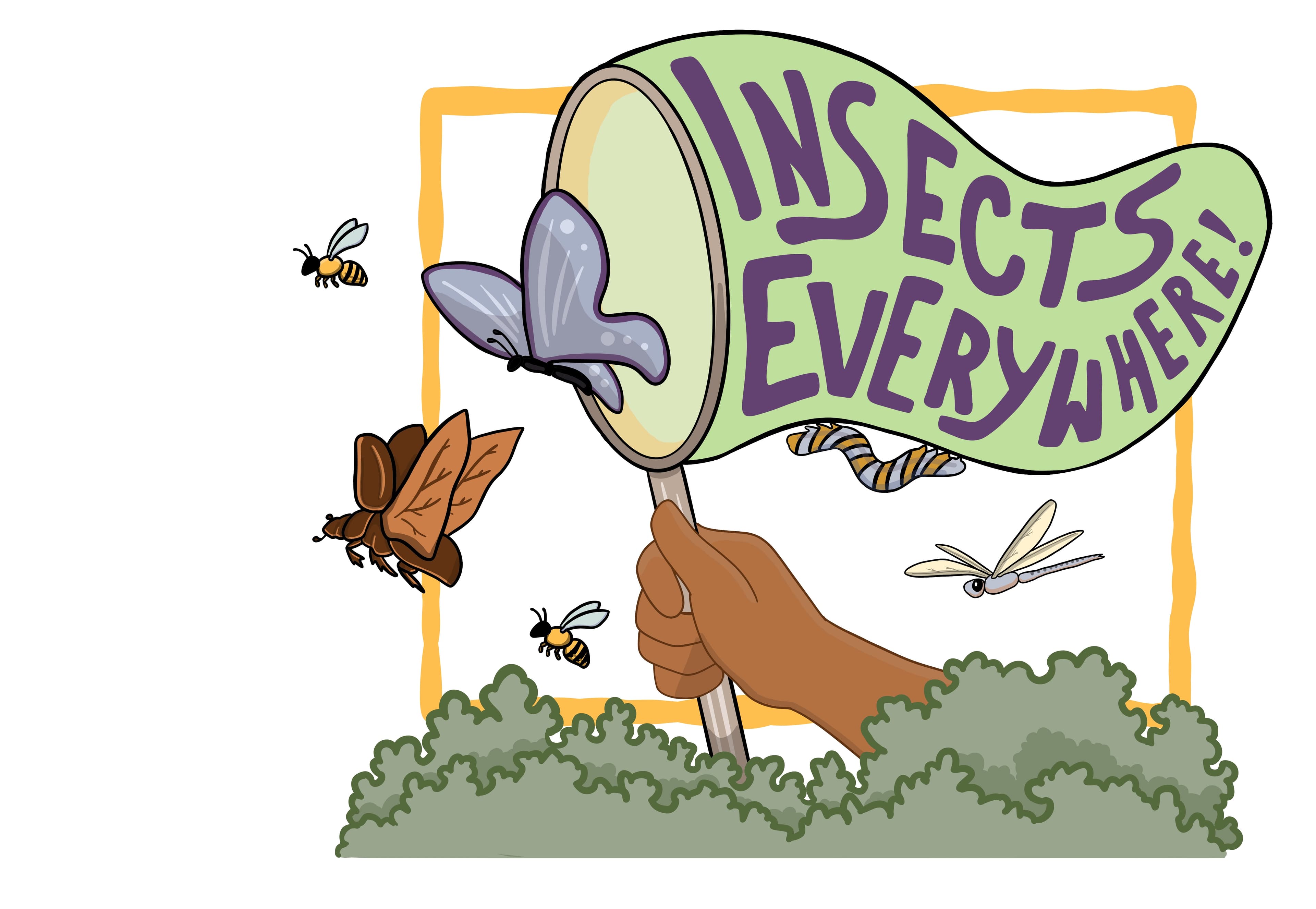
Insects Everywhere is a Burroughs Wellcome–funded program working to close the STEM achievement gap for migrant children in Western North Carolina through an annual summer camp, school-year field trips, and roundtable discussions — engaging students in STEM through the lens of insects, exposing them to academic and career opportunities, and preparing them for higher education and STEM careers.

The Lesser of Two Weevils
Invertebrate Management · Soil Biodiversity

The Lesser of Two Weevils

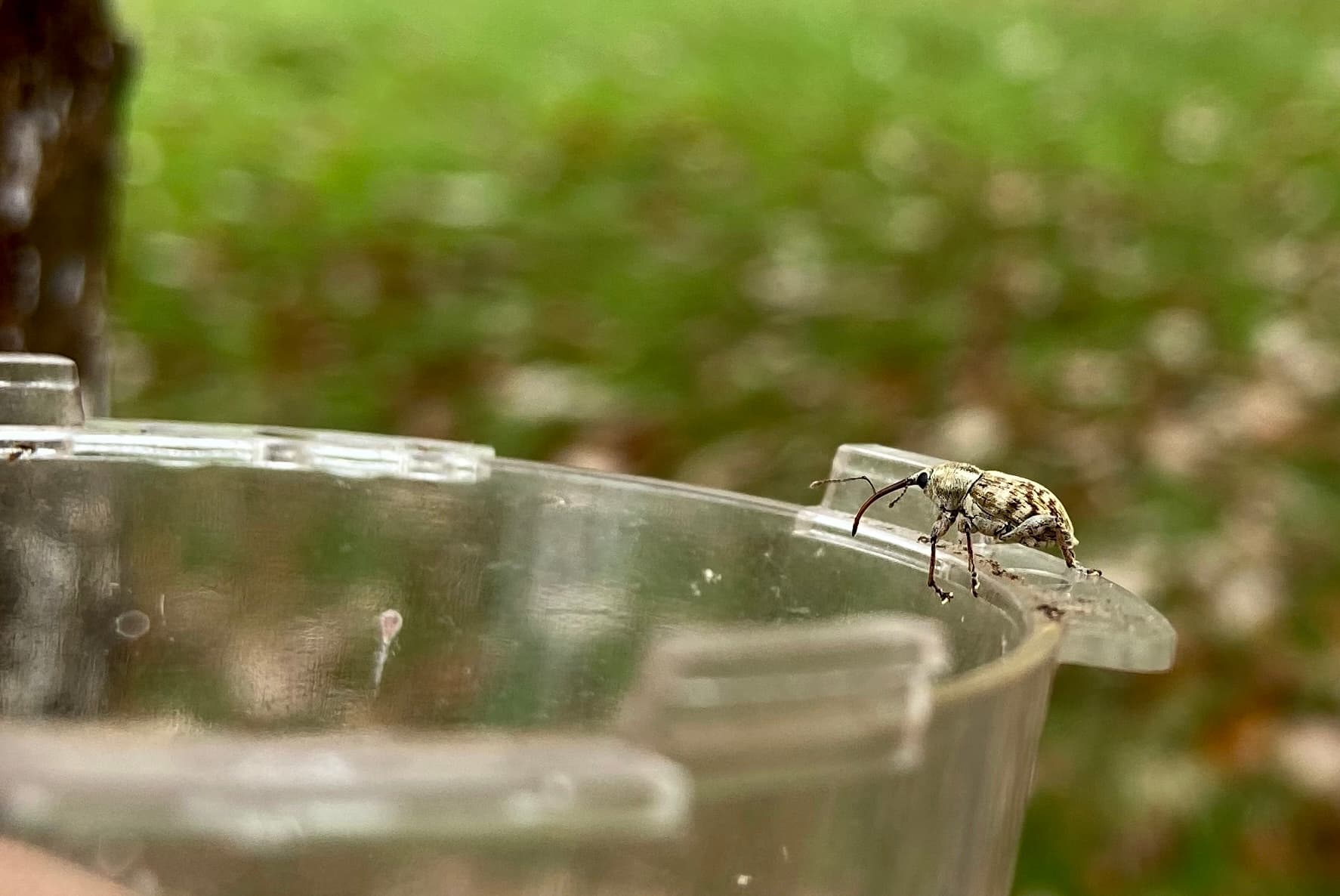
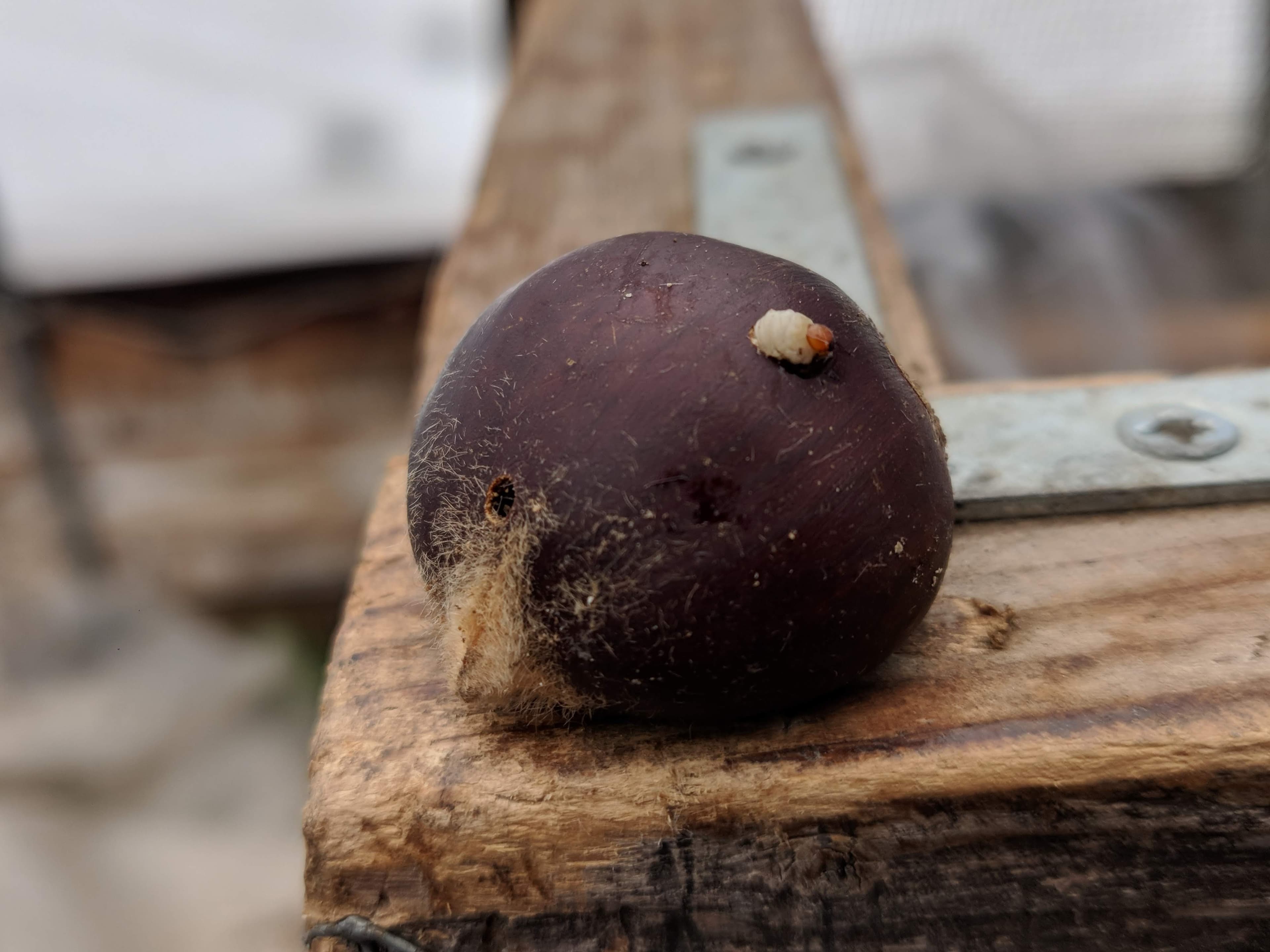
Through recent hybridization efforts, blight-resistant chestnuts are being planted across the eastern US. Accompanying this rise is a rapidly spreading pest: the Lesser Chestnut Weevil (Curculio sayi). NEMA Lab is working with The American Chestnut Foundation to understand the presence of this weevil on chestnut hybrids and how the new hybrids influence other insect communities.

All About Bugs
Community Engagement

All About Bugs

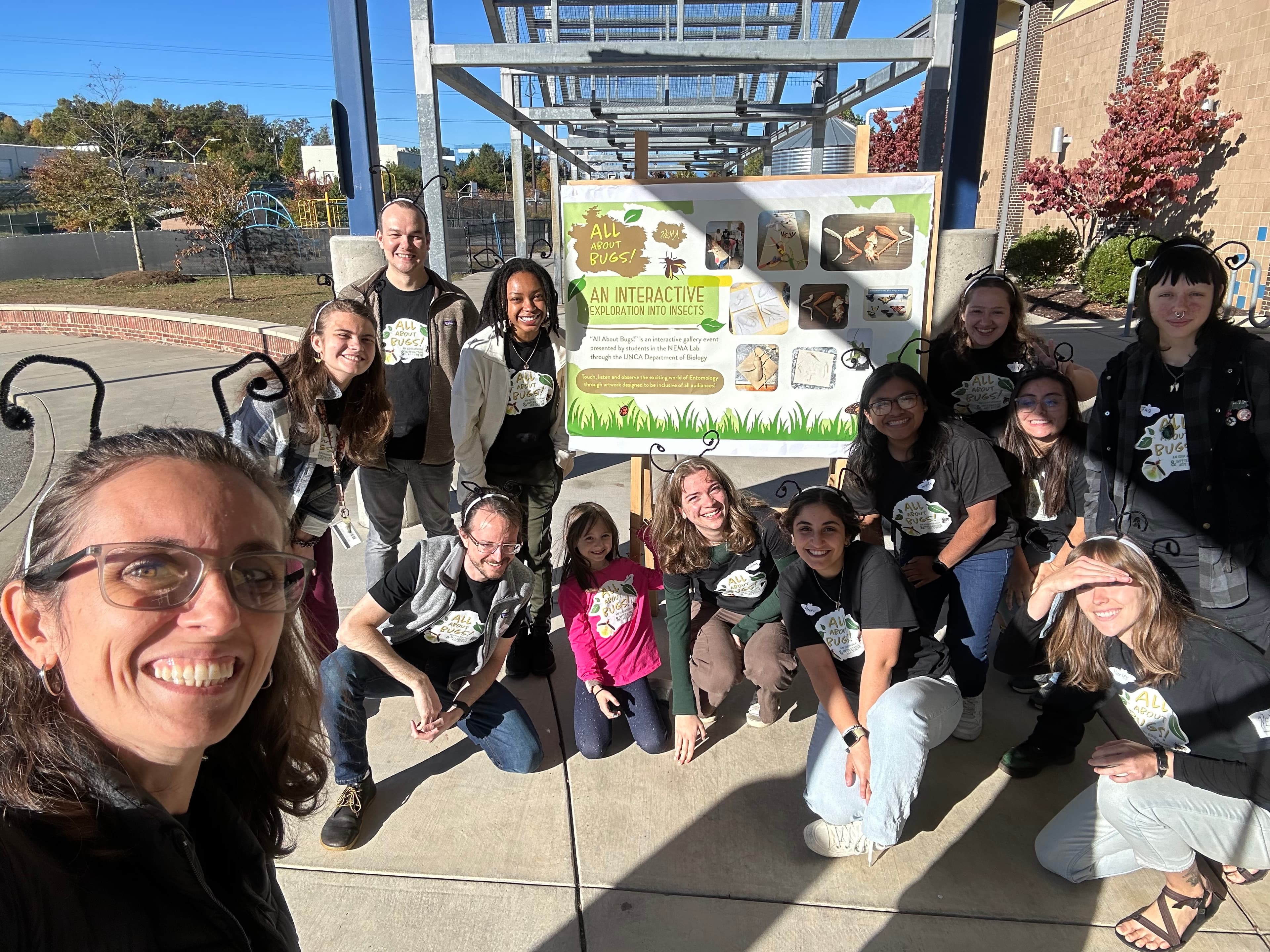
The NEMA Lab works with local schools and community organizations to bring STEM education to K–12 students through the lens of insects. Using hands-on activities that engage all the senses, students explore the fascinating world of insects while learning about ecology and evolution.

Pollinators
Invertebrate Management · Community Engagement

Pollinators

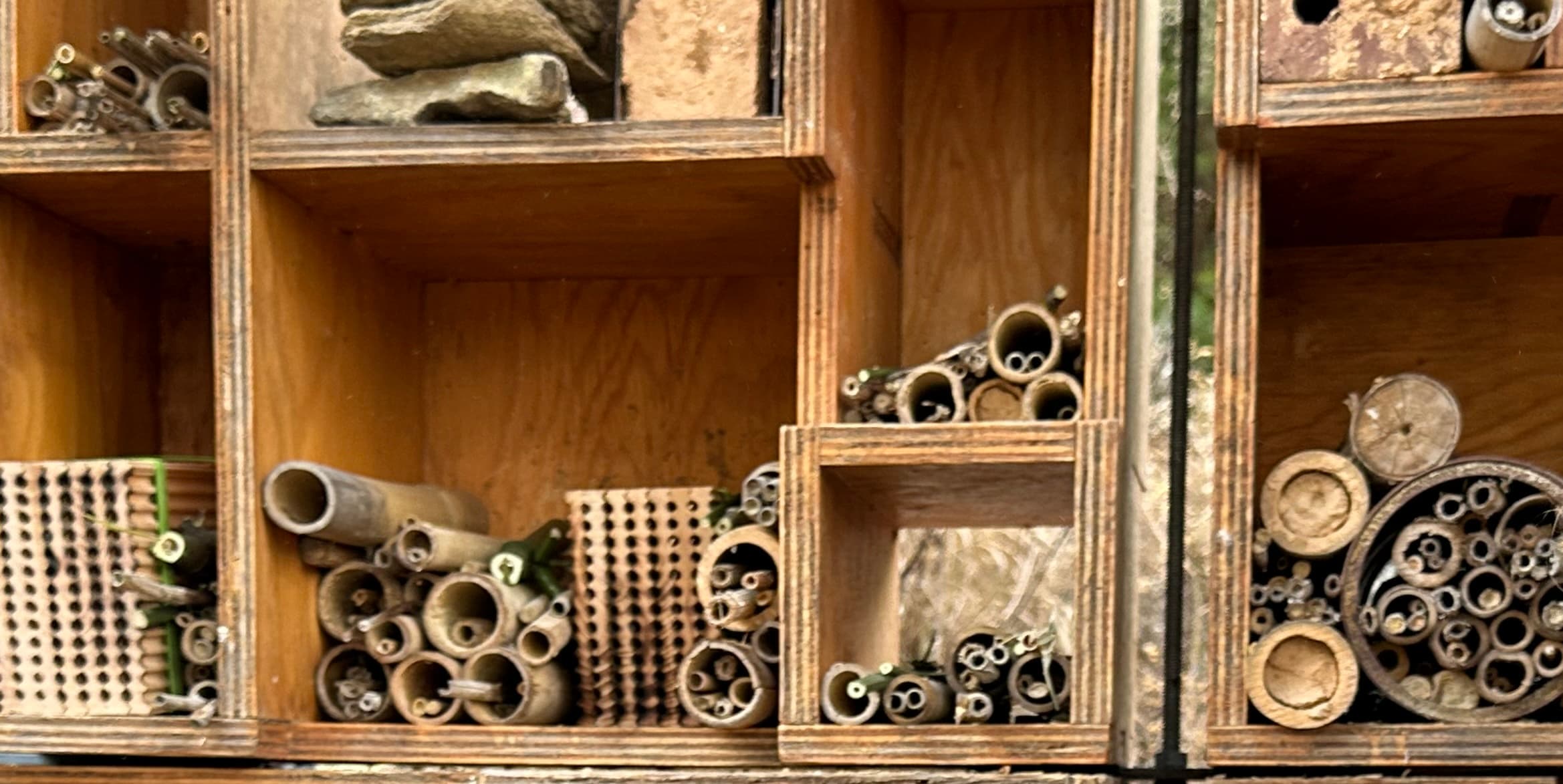
The Bee Hotel, Pollinator Garden, and Butterfly Garden at UNC Asheville are a unique resource for the university and community to learn about insects and their interactions with the environment. Pollinators promote plant diversity, increase ecosystem resilience, and maintain the reproductive success of most flowering plants. The NEMA Lab works with native pollinators to improve their management.

Burn Area Impacts on Arthropod Communities
Soil Biodiversity

Burn Area Impacts on Arthropod Communities

Controlled burns are part of forest-management strategies. The NEMA Lab is exploring how controlled burns affect aboveground and belowground invertebrate diversity.

Hemlock
Invertebrate Management · Soil Biodiversity

Hemlock

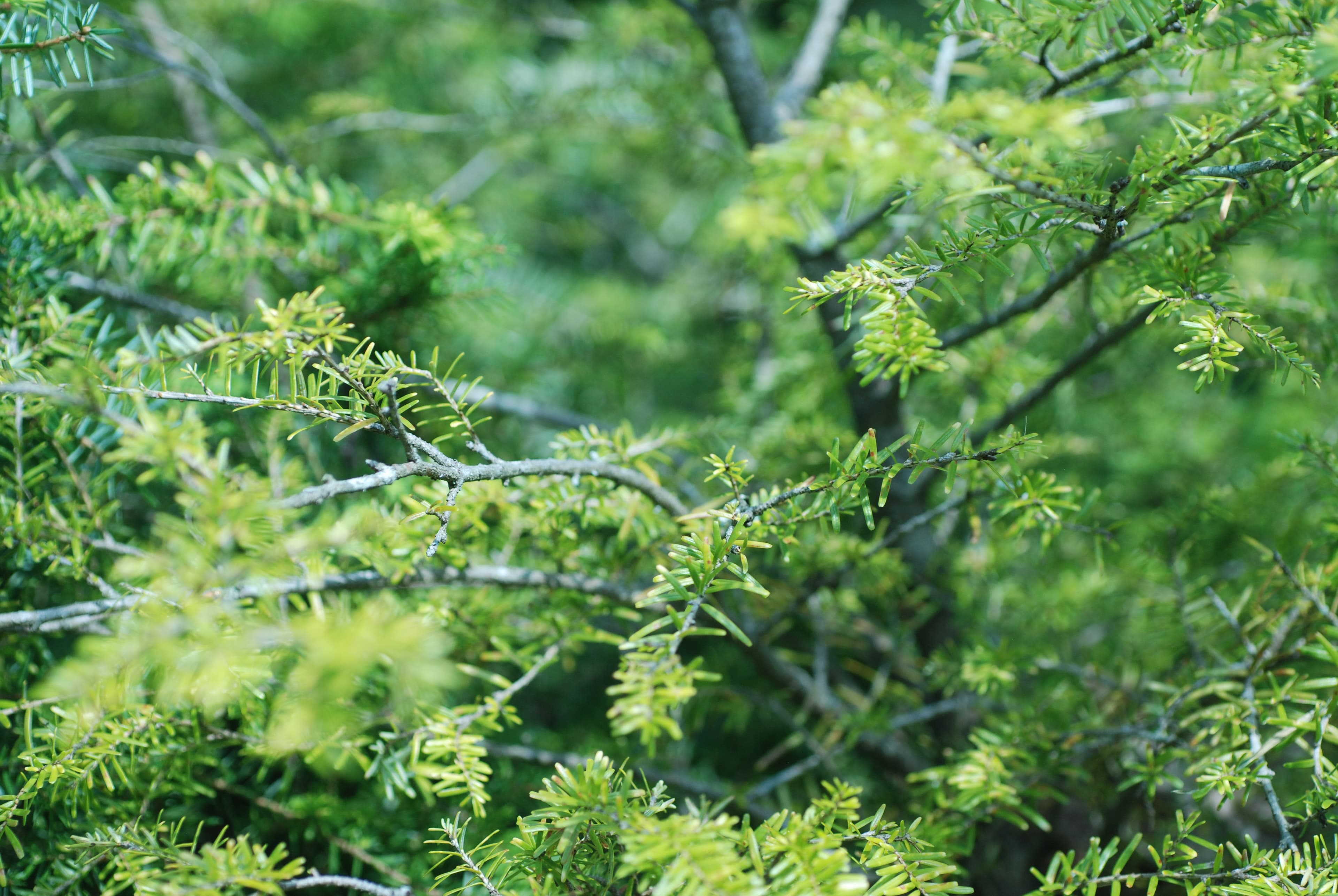
The eastern hemlock (Tsuga canadensis) is a prominent, long-lived member of Appalachian forests that can be heavily damaged by a small aphid-like insect, the Hemlock Woolly Adelgid (Adelges tsugae). Conservation efforts often use systemic pesticides whose effects on the surrounding ecosystem are unknown. The NEMA Lab investigates how these pesticides impact soil communities in hemlock forests.

Nematode Rearing & Collection
Invertebrate Management · Soil Biodiversity

Nematode Rearing & Collection

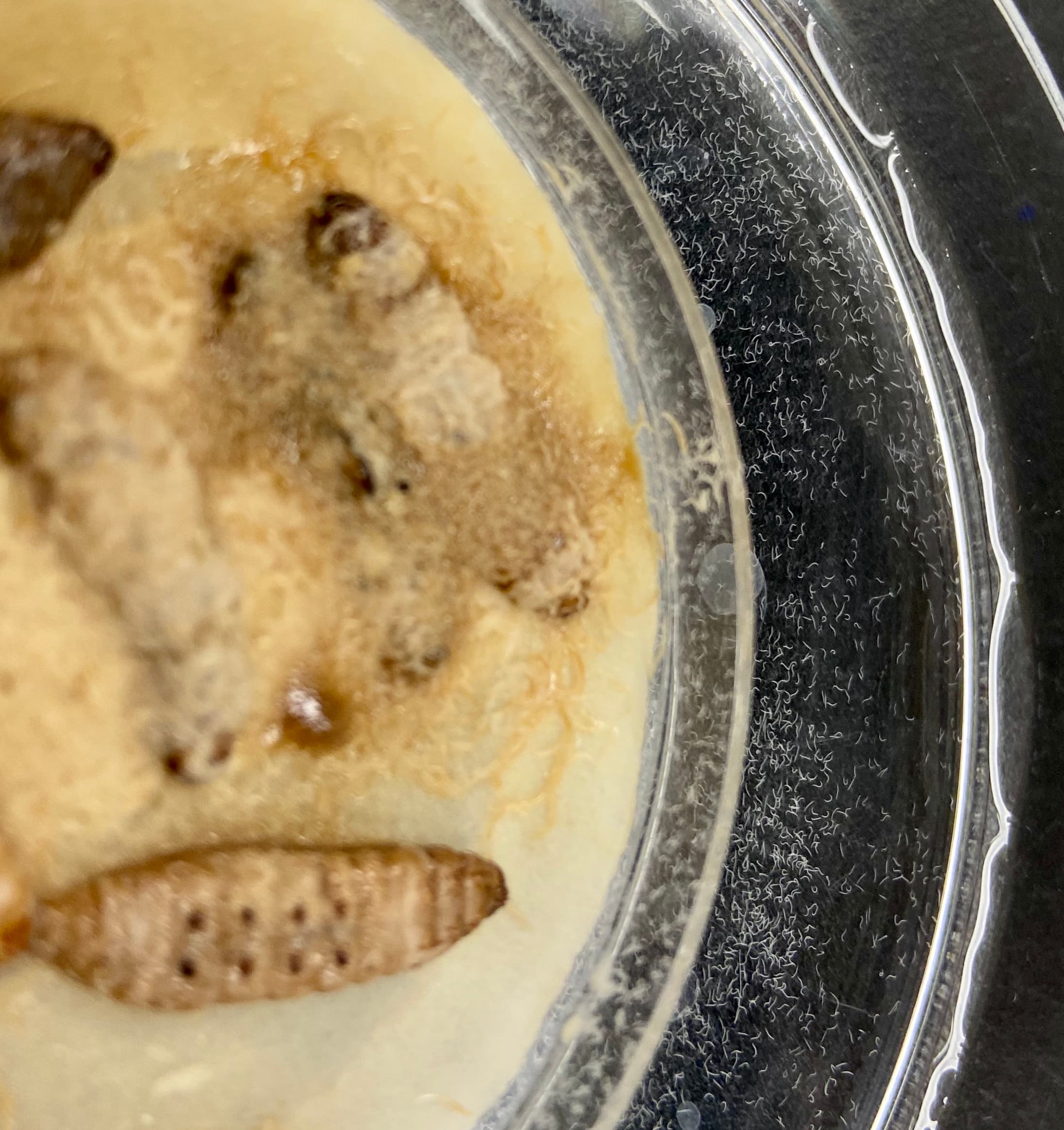
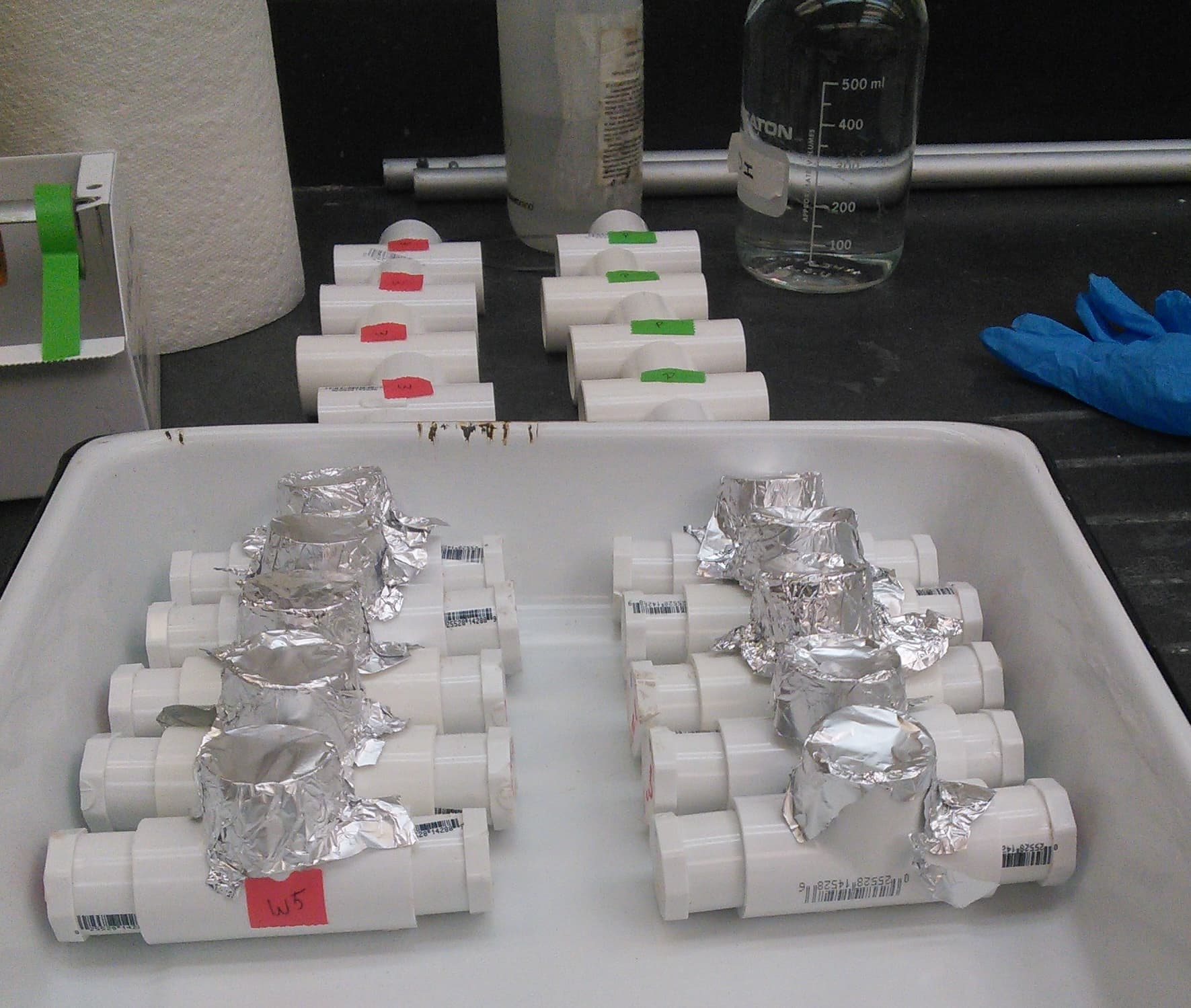
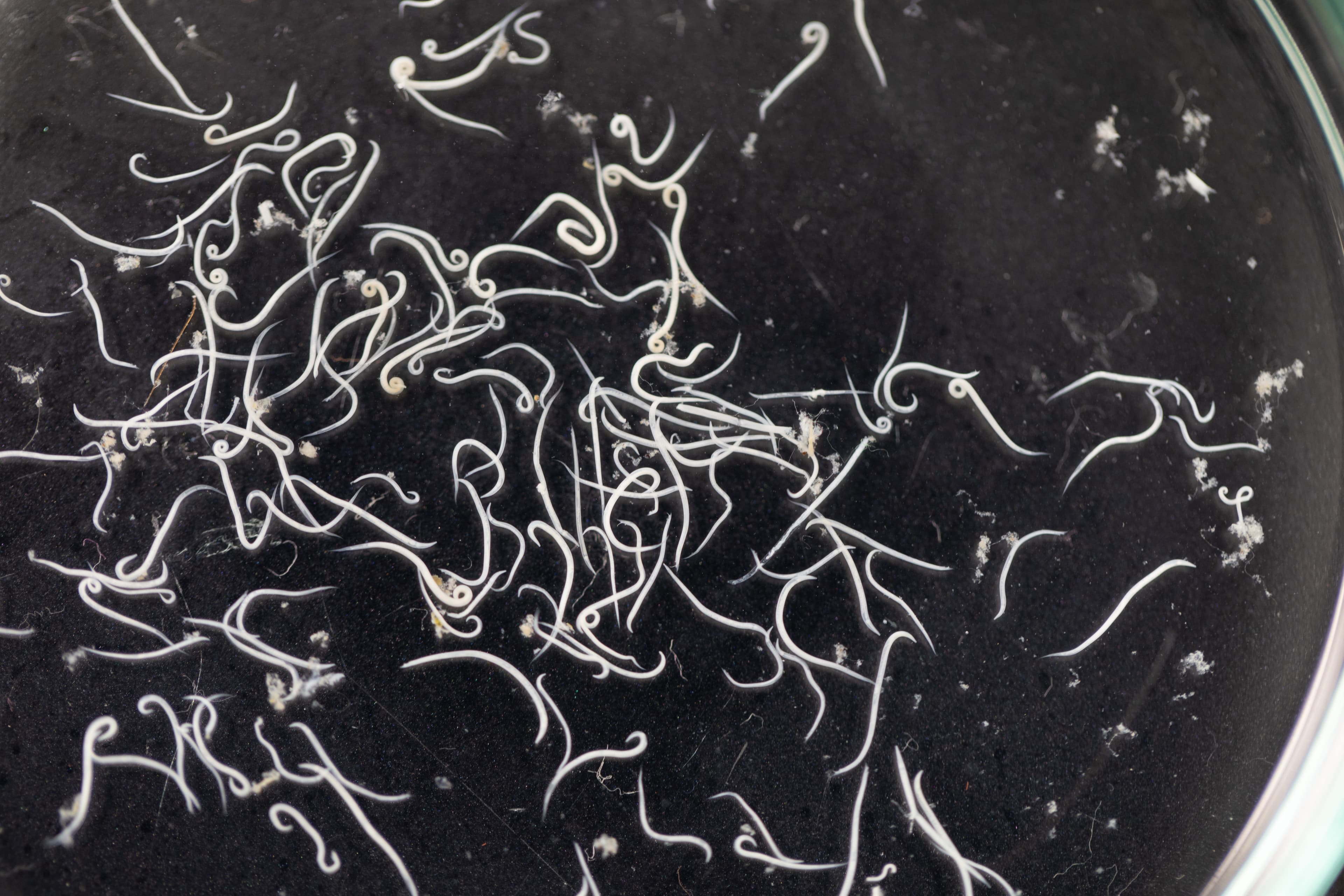
Entomopathogenic nematodes (EPNs) are members of soil communities that play an essential role as biological control agents. Two major challenges to studying EPNs are the difficulty of extracting them from soil and multiplying them in the lab. Traditional extraction has low recovery rates, while past multiplication methods led to contamination. We designed a new instrument for both extraction and multiplication.

Nematode Behavior
Invertebrate Management

Nematode Behavior

Environmental factors can disrupt the interactions between plants, insects, and soil microorganisms, with consequences for agriculture. Behavioral responses to volatile cues may depend on soil conditions shaped by a changing climate. Using a belowground system where entomopathogenic nematodes respond to volatiles by moving through the soil pore matrix, we assess how moisture regimes influence nematode behavior.